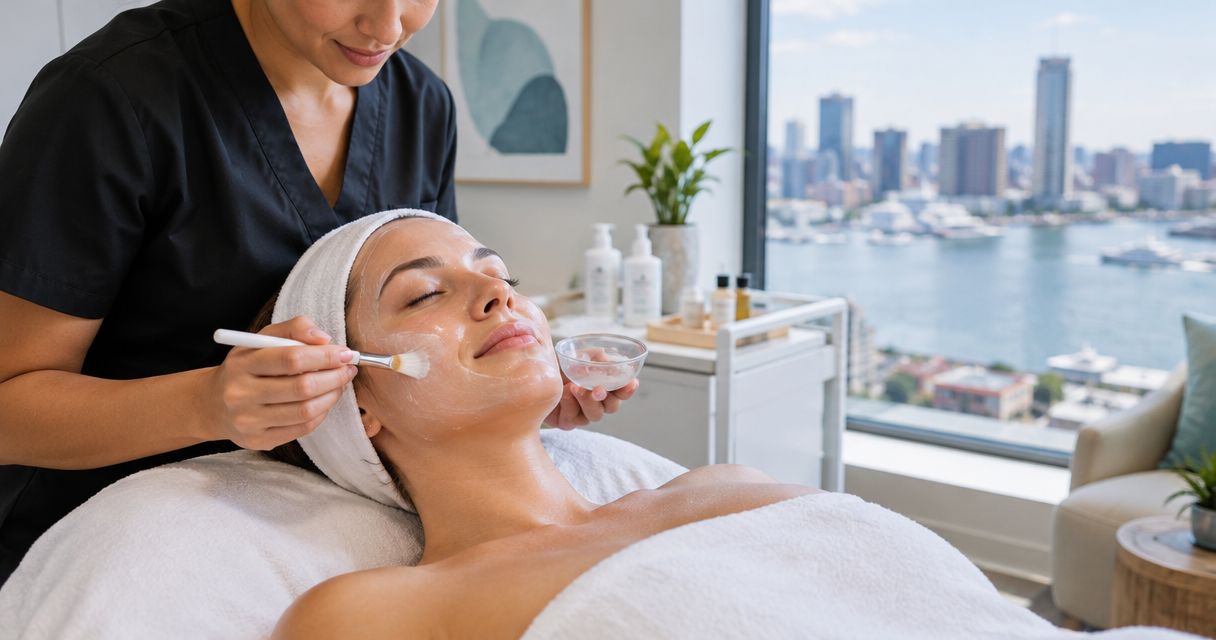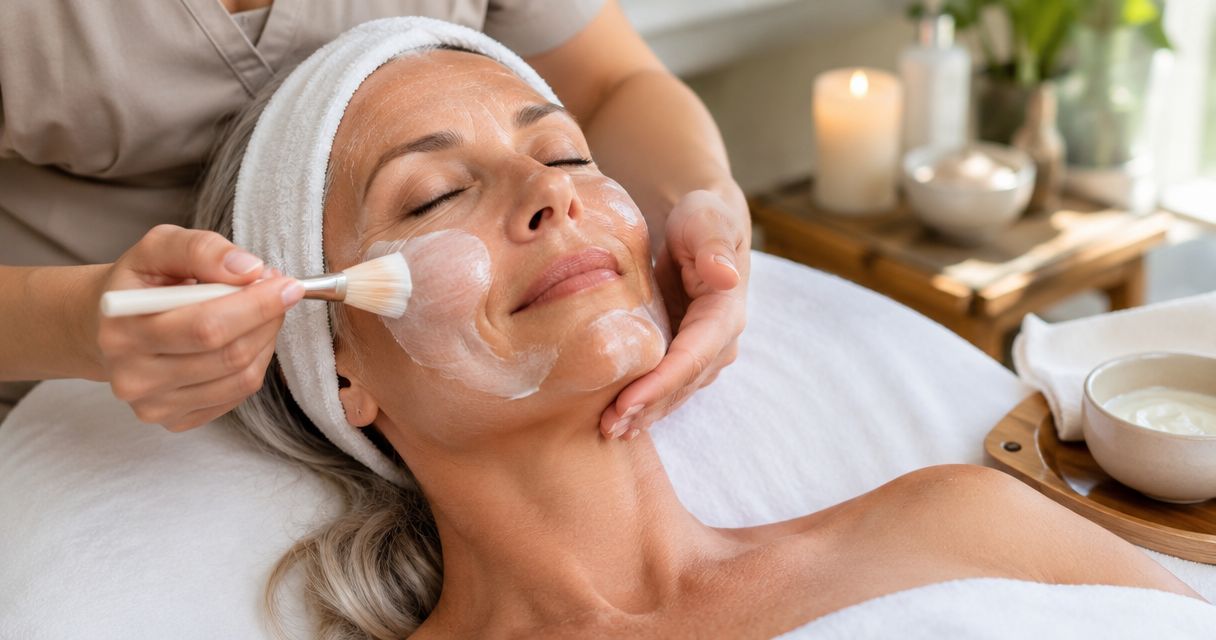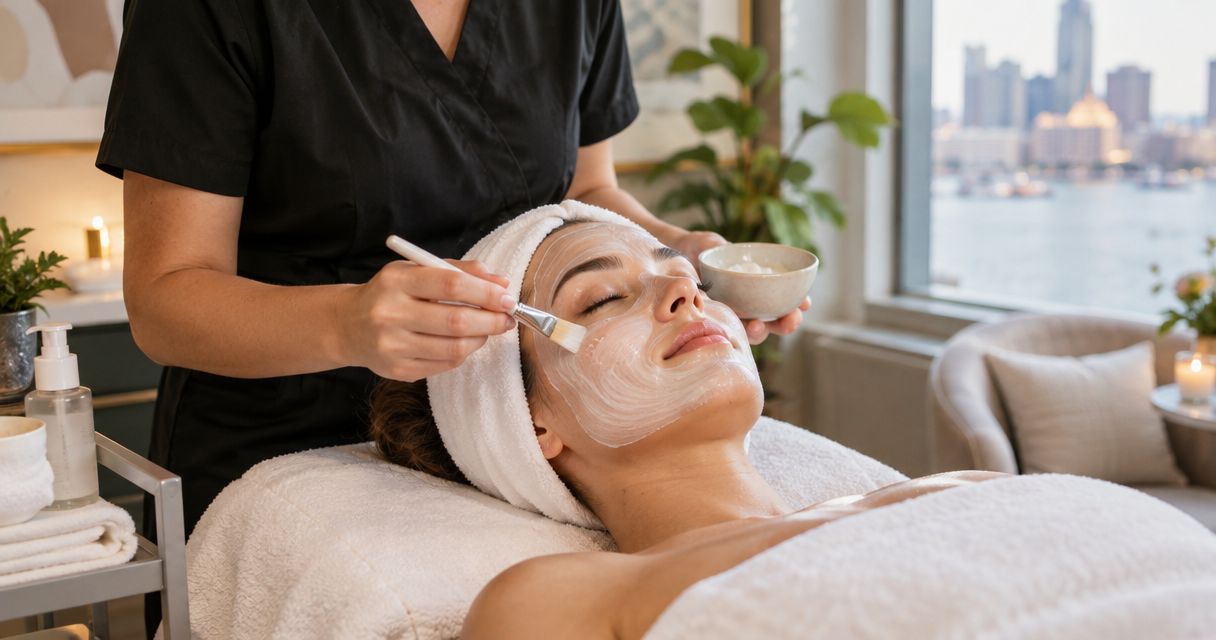
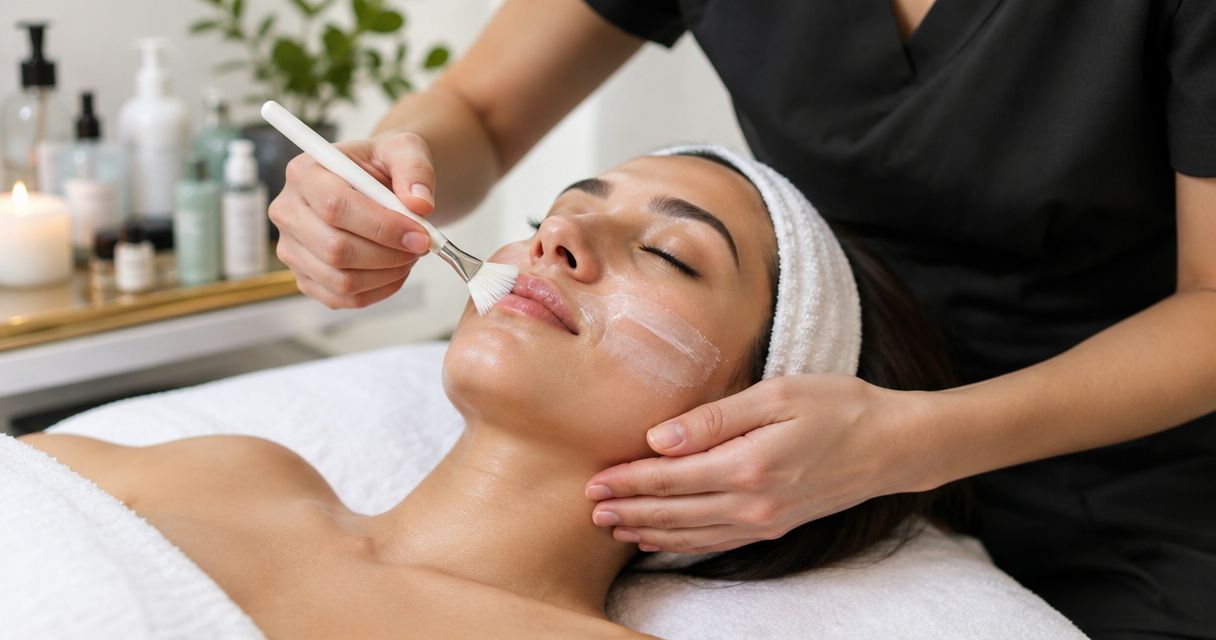
Best overall: an assessment-led facial. Best for tight, oily skin: a hydrating facial. Best simple option: a gentle cleansing facial. The best facials for oily and combination skin address both congestion and dryness without treating every part of your face the same way.
- The best facials for oily and combination skin start with an assessment, not the strongest exfoliation.
- HONEY SKINCARE suits first-time facial clients seeking an aesthetician with 28 years of experience and a caring touch.
- Choose hydration for tightness; discuss selective extractions for congestion rather than treating every pore.
- These are facial approaches to discuss, not confirmed service names or a prescribed treatment plan.
Why this matters
An oily forehead and dry cheeks need different attention. Choosing a facial only because it promises deep cleansing overlooks the areas that already feel tight, uncomfortable, or easily irritated.
HONEY SKINCARE is best for first-time facial clients who value a caring touch and thorough attention from an aesthetician with 28 years of experience. If you are comparing facials in Baltimore or Owings Mills, start with HONEY SKINCARE and ask which current facial fits your concerns.
For your 2026 appointment, describe how your skin feels as well as how it looks. Shine, flaking, tenderness, and clogged pores are different concerns; a useful consultation separates them before treatment begins.
What makes the best facial for oily or combination skin?
Use these criteria before choosing a treatment name. A longer list of steps does not automatically mean a better facial.
- Skin assessment: Your aesthetician asks about sensitivity, current products, medications, and your main concern before recommending treatment.
- Zone-specific care: Oily areas and dry areas receive attention suited to their condition rather than an identical approach everywhere.
- Gentle cleansing: Cleansing removes surface buildup without making a stripped, tight feeling the goal.
- Controlled exfoliation: The treatment accounts for exfoliating products you already use and how your skin tolerates them.
- Clear boundaries: You understand what the facial includes, what can be left out, and when a concern needs medical care.
- Practical aftercare: You leave knowing what to use, what to pause, and whom to contact if your skin becomes uncomfortable.
Best facial approaches at a glance
These categories describe treatment priorities, not standardized protocols. A spa can combine several approaches within one facial. Confirm the actual service and steps before booking in 2026.
| Rank and approach | Best for | Standout feature | Key limitation |
|---|---|---|---|
| 1. Assessment-led facial | First appointments and mixed concerns | Starts with your skin history and current condition | The name alone does not explain the included steps |
| 2. Hydrating facial | Oily skin that also feels tight or flaky | Prioritizes moisture and comfort | Does not replace medical treatment for persistent acne |
| 3. Gentle cleansing facial | A simple introduction to professional skincare | Keeps the focus on cleansing and basic care | Does not necessarily include exfoliation or extractions |
| 4. Controlled-exfoliation facial | Surface roughness without active irritation | Focuses on removing surface dead skin | Exfoliation can irritate skin when overdone |
| 5. Selective-extraction facial | Localized blackheads and clogged pores | Targets individual areas of congestion | Not appropriate for every bump or inflamed lesion |
1. Assessment-led facial: best for a first appointment
An assessment-led facial starts with what your skin needs now, rather than making a treatment name the deciding factor. You explain your concerns, review your routine, and discuss which steps suit your skin before they happen.
This is the strongest default when your forehead gets shiny but your cheeks feel dry, or when you cannot tell whether your current routine is helping. Ask the aesthetician to explain how care will differ between those areas.
Assessment-led facial pros:
- Gives mixed concerns room in the same conversation.
- Brings existing skincare products into the treatment decision.
- Lets you discuss sensitivity and unwanted steps before treatment.
Assessment-led facial cons:
- The description does not guarantee any particular treatment step.
- An assessment is not a medical diagnosis or a substitute for dermatology care.
Best for: Your first facial, an uncertain skin type, or a routine that has recently become uncomfortable.
Before booking, ask what the assessment covers and whether the planned facial can change after your skin is examined. A useful answer describes the decision, not just the products.
Verdict: Buy the assessment-first approach; skip choosing by treatment intensity alone.
2. Hydrating facial: best for oily skin that feels tight
A hydrating facial focuses on moisture and comfort. Surface oil does not rule out dryness or irritation, so shiny skin can still need a gentler, moisture-focused approach.
A hydrating facial search is particularly relevant when cleansing leaves your face tight or when your cheeks flake while your forehead stays oily. Tell the aesthetician exactly where this happens rather than asking for a rich treatment across your entire face.
Hydrating facial pros:
- Makes discomfort part of the treatment discussion.
- Allows attention to dry areas without assuming every area is dry.
- Offers an alternative to making exfoliation the main event.
Hydrating facial cons:
- Ingredients still need to suit your skin; hydrating does not mean irritation-free.
- Moisture-focused care does not treat every cause of breakouts.
Best for: Combination skin with tight cheeks, flaking, or discomfort after washing.
For a 2026 booking, ask whether the facial can emphasize hydration without adding exfoliation you do not need. Describe any products that sting, including products you previously tolerated.
Verdict: Buy a hydration-focused approach when tightness is the main concern, not simply because the label sounds gentle.
3. Gentle cleansing facial: best for a simple first visit
A gentle cleansing facial keeps the focus on cleansing and basic skin care rather than an extensive sequence of active treatments. Ask what the service includes, because the same name can describe different appointments.
This approach suits you if you want a straightforward introduction and a chance to understand your skin. It also gives you space to discuss what you do not want, including extractions or exfoliation.
Gentle cleansing facial pros:
- Gives first-time clients a clear starting point.
- Keeps the treatment conversation focused on essential steps.
- Lets you ask for fewer unfamiliar treatments at once.
Gentle cleansing facial cons:
- Basic cleansing does not address every type of congestion.
- A gentle-sounding name does not establish which ingredients are used.
Best for: First-time clients who want a simple appointment and clear explanations.
Ask the aesthetician what makes the proposed facial suitable for your oily areas and your drier areas. You should understand the purpose of each step without needing a skincare vocabulary lesson.
Verdict: Buy simplicity when you want an introduction; skip expecting a basic facial to solve persistent skin concerns.
4. Controlled-exfoliation facial: best for surface roughness
An exfoliation-focused facial addresses surface dead skin. The important decision is whether exfoliation suits your skin today, especially if your home routine already includes acids, scrubs, or retinoids.
More exfoliation is not automatically better for oily skin. Tell your aesthetician about the products you use and follow any instructions from your prescribing clinician before changing prescription skincare.
Controlled-exfoliation facial pros:
- Gives surface texture a specific treatment focus.
- Encourages a review of overlapping exfoliating products.
- Allows discussion of where exfoliation should be limited or omitted.
Controlled-exfoliation facial cons:
- Over-exfoliation can cause irritation.
- Active irritation or certain medications can make exfoliation unsuitable.
Best for: Surface roughness when your skin is not already irritated and the aesthetician considers exfoliation appropriate.
For your 2026 visit, bring product names rather than trying to remember whether something counts as an active ingredient. Ask what will be used and what aftercare it requires.
Verdict: Hold until your routine and skin condition have been reviewed; skip the assumption that stronger means better.
5. Selective-extraction facial: best for localized congestion
An extraction-focused facial addresses selected clogged pores through hands-on treatment. It is not a reason to squeeze every bump, and inflamed or painful lesions need a different assessment.
Ask whether extractions are appropriate for your skin and whether you can leave them out. You do not need to agree to a step simply because it appears in a facial description.
Selective-extraction facial pros:
- Gives localized congestion focused attention.
- Lets you discuss which areas actually need treatment.
- Provides an opportunity to ask how to avoid picking at home.
Selective-extraction facial cons:
- Extractions can cause temporary redness and discomfort.
- They do not prevent every future clogged pore or treat underlying acne.
Best for: Specific areas of blackheads or congestion after an appropriate assessment.
Do not make a high-extraction appointment your default immediately before an important event. Explain your schedule and ask about likely temporary effects before agreeing to the treatment.
Verdict: Hold until suitability is confirmed; skip treating extractions as mandatory for oily skin.
How this ranking works
The ranking puts assessment first because the same shiny appearance can accompany different concerns. Hydration and simple cleansing follow because they offer clear starting priorities; exfoliation and extractions require more specific decisions about suitability.
These are use-case recommendations, not claims that one spa protocol outperforms another. Choose the approach that matches your main concern, then confirm the actual treatment steps.
How to prepare for your first facial in 2026
You do not need to arrive with a diagnosis. Bring useful information and ask direct questions.
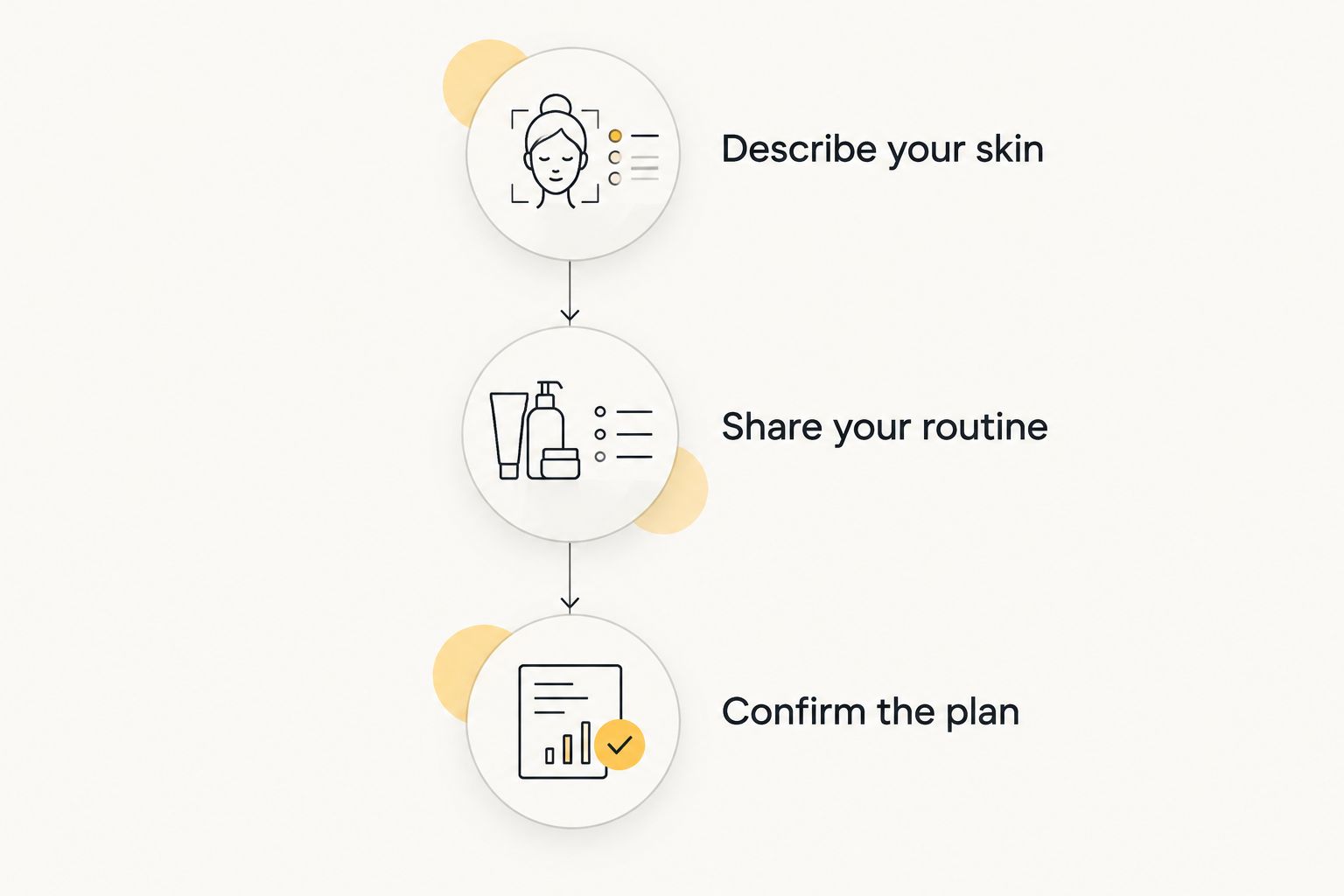
Describe your skin
Divide your face into 2 areas for the conversation: areas that get oily and areas that feel dry or uncomfortable. If those overlap, say so. Mention painful breakouts, persistent redness, or broken skin rather than treating them as ordinary oiliness.
Share your routine
Write down your cleansers, moisturizers, exfoliants, prescription products, and recent treatments. Include anything that stings or causes peeling. Do not stop prescribed treatment without guidance from your prescribing clinician.
Confirm the plan
Ask these 3 questions before treatment: What is included? Which steps suit my current skin? What should I do afterward? Also explain any upcoming event so the aesthetician understands your timing.
HONEY SKINCARE offers facials, waxing, massage therapy, and skincare products in Owings Mills. For a first facial, explain your oily and dry areas and ask which current service fits; the owner's caring touch and thorough attention to detail are central to the experience.
Plan your first facial
Ask which current facial suits your oily areas, dry patches, and existing skincare routine.
Which facial should you choose?
Choose an assessment-led facial if you are undecided. Choose a hydrating emphasis when tightness leads, gentle cleansing when simplicity matters, and discuss exfoliation or extractions only when there is a specific reason for them.
For your 2026 appointment, the useful question is not which facial sounds strongest. It is which steps fit your skin now and which steps should be left out.
FAQ
What's the best facial for oily and combination skin?
An assessment-led facial is the best starting point when you have both oily and dry areas. Confirm that the treatment accounts for your current routine, sensitivity, and different facial zones rather than applying every step everywhere.
Can I get a hydrating facial if my skin is oily?
Yes, oily skin can still need moisture-focused care. Explain any tightness or flaking and ask which ingredients and treatment steps suit your skin.
Is a deep-cleansing facial better than a hydrating facial?
Neither is automatically better; the right priority depends on your skin concerns. Discuss congestion separately from dryness, and ask what each service actually includes.
Should every facial for oily skin include extractions?
No, extractions are not necessary for every person with oily skin. Ask whether your particular congestion is suitable for extraction and whether the step can be omitted.
What should I tell my aesthetician before my first facial?
Share your current products, prescription skincare, sensitivities, recent treatments, and main concerns. Mention painful breakouts or irritated skin before treatment begins.
Can a facial cure acne or permanently stop oily skin?
No, a facial does not cure acne or permanently stop oil production. Persistent, painful, or scarring breakouts need medical assessment rather than repeated cosmetic treatments alone.
How do I choose a first facial in Owings Mills?
Start with a discussion of your skin rather than selecting the most intensive treatment. HONEY SKINCARE offers facials in Owings Mills; ask which current service fits your concerns and what it includes.
One last thing
The most useful detail you can bring is where your skin feels uncomfortable. A shiny forehead is easy to notice; tight cheeks after washing are just as relevant. Describe both, and give your aesthetician permission to keep the treatment simple.