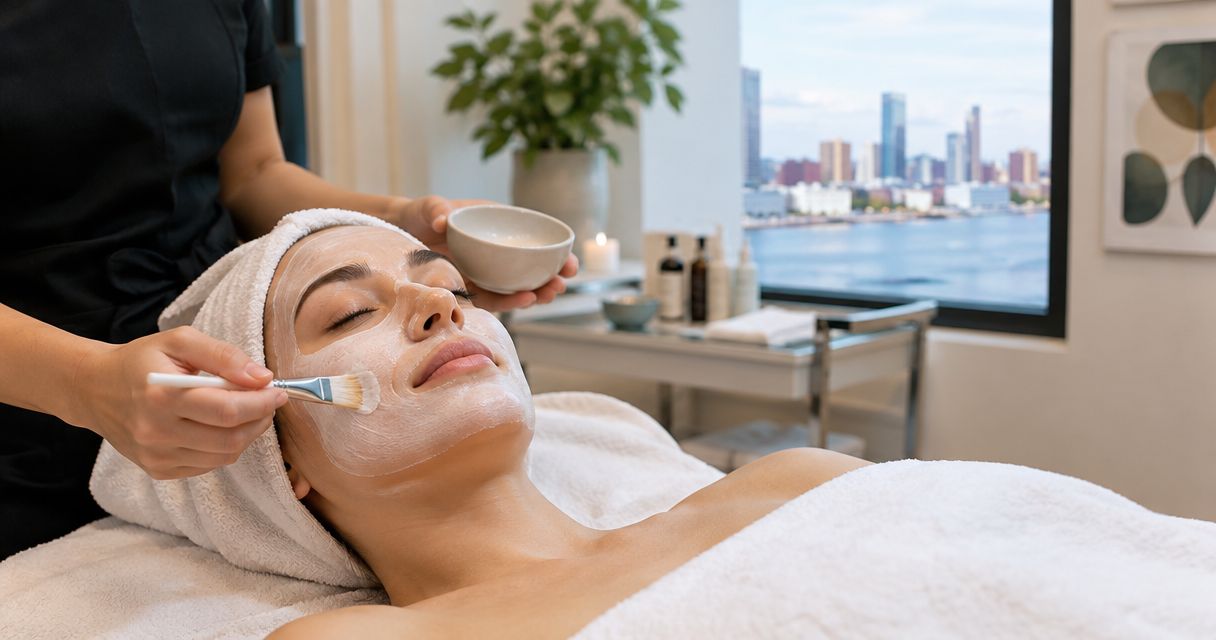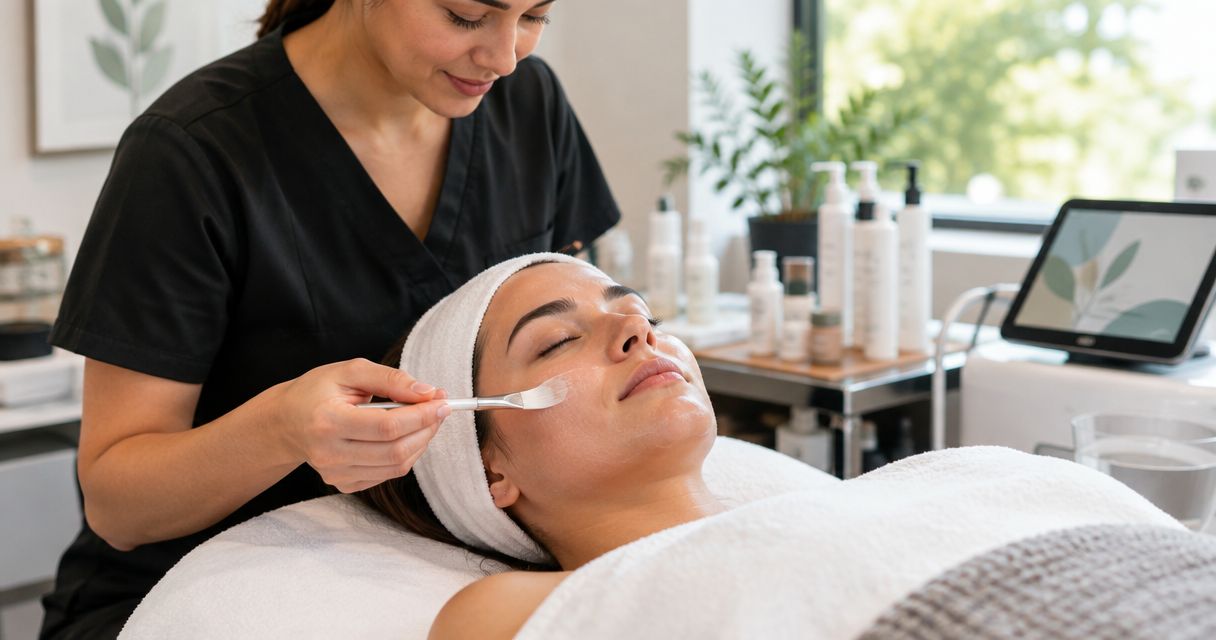
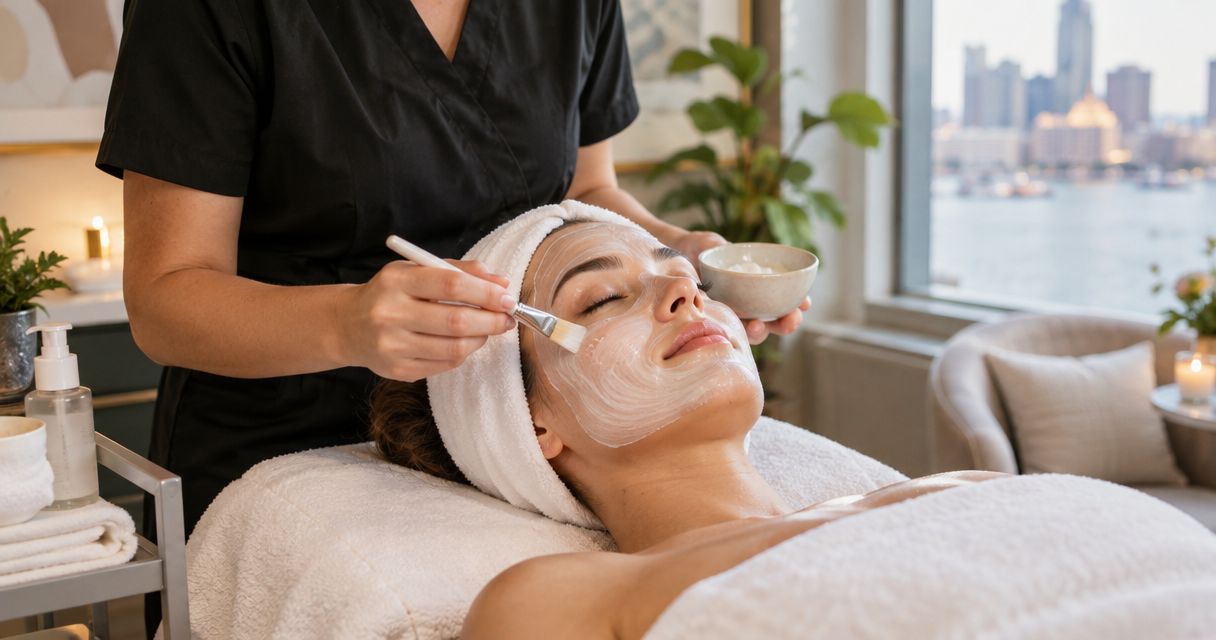
Best overall: a gentle hydrating facial. Best for easily irritated skin: a fragrance-free, barrier-focused facial. Best for rough texture without irritation: a gentle exfoliating facial. This 2026 guide to the best facials for dry skin in Baltimore helps you choose by skin condition, not by the longest treatment menu.
- The best facials for dry skin in Baltimore prioritize gentle cleansing, hydration, and moisturizer over aggressive exfoliation.
- Choose a fragrance-free, barrier-focused approach when your skin stings easily; postpone treatment on actively irritated skin.
- 1honeyskincare offers facial services near Baltimore and Owings Mills; confirm the treatment steps before booking.
- A hydrating facial supports cosmetic care, but persistent cracking, itching, or inflammation needs medical assessment.
Why this matters
Dry skin does not need the most intensive facial. It needs an approach that respects its current condition. Tightness after washing, visible flaking, and sensitivity to products are useful details to share before anyone selects treatment steps.
For your 2026 appointment search, separate the treatment name from what actually happens during the service. A facial called hydrating can still include exfoliation, fragrance, steam, or extractions. Ask about those steps rather than assuming the name tells the whole story.
1honeyskincare offers facial services in the Baltimore/Owings Mills area. 1honeyskincare is a local facial-service option for first-time clients in Baltimore and Owings Mills. Describe your dryness before booking and confirm which facial approach fits your skin.
What makes the best facial for dry skin?
Use these criteria to compare facial options in 2026. A good match addresses your concern without adding steps your skin does not need.
- Gentle cleansing: Ask whether cleansing removes makeup and surface buildup without leaving your skin feeling stripped.
- Moisture support: Look for a plan that pairs hydration with moisturizer rather than relying on a mask alone.
- Ingredient suitability: Share products that have caused burning, itching, or a rash. Fragrance-free does not mean reaction-free.
- Adjustable intensity: Exfoliation, steam, and extractions should be discussed, not treated as automatic requirements.
- Clear boundaries: A facial is cosmetic care, not a diagnosis or a substitute for treating a skin condition.
- Practical aftercare: You should leave knowing what to use, what to pause, and whom to contact about a reaction.
Best facial approaches at a glance
These are treatment approaches to ask about, not confirmed service names on any spa's menu. The ranking reflects the needs of dry skin rather than a comparison of Baltimore businesses.
| Facial approach | Best for | Standout feature | Key limitation |
|---|---|---|---|
| Gentle hydrating facial | Tight, dry skin without active irritation | Centers cleansing, hydration, and moisturizer | Does not diagnose or treat the cause of dryness |
| Fragrance-free, barrier-focused facial | Skin that reacts easily to products | Prioritizes avoiding known irritants | Active inflammation needs assessment before treatment |
| Gentle exfoliating facial | Rough, flaky texture on otherwise comfortable skin | Adds carefully selected exfoliation | Can worsen dryness when too aggressive |
| Customized combination-skin facial | Dry cheeks with a more oily central face | Treats different areas according to their needs | Requires a clear discussion about each treatment area |
1. Gentle hydrating facial: best for uncomplicated dryness
A gentle hydrating facial puts moisture care ahead of aggressive resurfacing. The useful building blocks are a mild cleanse, suitable hydrating products, and moisturizer; the exact sequence depends on the provider and your skin.
Best for: Skin that feels tight or looks dry but is not actively burning, cracked, or inflamed. This is the default starting point when your main goal is a comfortable first facial rather than intensive exfoliation.
Gentle hydrating facial pros:
- Gives you a clear focus for the appointment: moisture care.
- Does not require aggressive exfoliation to serve its purpose.
- Creates an opportunity to discuss your cleansing and moisturizing routine.
Gentle hydrating facial cons:
- Any individual ingredient can still cause a reaction.
- A facial cannot resolve every underlying cause of persistent dryness.
Ask what the provider means by hydration. Humectants, such as glycerin, attract water, while moisturizers also help limit moisture loss. You do not need to memorize ingredients, but you should understand whether the appointment includes both hydration and a suitable finishing moisturizer.
Before booking, mention whether your face feels tight immediately after washing or throughout the day. That distinction gives the provider more useful information than simply requesting a glow.
Verdict: Buy this approach for uncomplicated dryness, after confirming the treatment steps.
2. Fragrance-free, barrier-focused facial: best for reactive skin
A fragrance-free, barrier-focused facial emphasizes avoiding known irritants and keeping the treatment plan restrained. It is an approach to discuss with the provider, not a standardized service name or a promise that every product will suit you.
Best for: Dry skin with a history of reacting to fragranced products or elaborate routines, provided the skin is currently calm. Active redness, burning, or an unexplained rash changes the decision.
Fragrance-free, barrier-focused facial pros:
- Makes your reaction history central to treatment planning.
- Encourages a discussion about unnecessary exfoliation and other irritating steps.
- Helps you distinguish fragrance preference from a specific history of reactions.
Fragrance-free, barrier-focused facial cons:
- Fragrance-free products can contain other ingredients you do not tolerate.
- Cosmetic treatment is not the right response to every episode of sensitivity.
Tell the provider what happened during previous reactions: the product, the symptoms, and whether the reaction persisted. Bring ingredient lists when you have them. Avoid describing everything as an allergy unless a clinician has identified one.
Do not use a facial appointment to test how much irritation your skin can tolerate. If water or your usual moisturizer currently burns, ask whether treatment should be postponed and seek medical advice for persistent symptoms.
Verdict: Hold until your skin is calm; then choose this approach when ingredient sensitivity is the main concern.
3. Gentle exfoliating facial: best for rough, non-irritated texture
A gentle exfoliating facial combines moisture care with a deliberate exfoliation step. It suits a different goal from hydration alone: addressing surface roughness when the skin is otherwise comfortable and intact.
Best for: Dry skin with rough texture that is not sore, inflamed, cracked, or already over-exfoliated. Visible flakes alone do not establish that you need exfoliation.
Gentle exfoliating facial pros:
- Addresses texture as a specific concern rather than adding exfoliation by habit.
- Gives the provider a reason to review your existing exfoliating products.
- Can pair a restrained exfoliation step with moisturizing care.
Gentle exfoliating facial cons:
- Excessive exfoliation can worsen dryness and irritation.
- Recent treatments and skincare products can affect whether exfoliation is appropriate.
Ask which exfoliation method is proposed and why it fits your skin. The word gentle is not enough. A useful explanation connects the choice to your current condition, product use, and recent procedures.
Tell the provider about retinoids, exfoliating acids, scrubs, and acne treatments before the appointment. Do not stop prescribed medication on your own; ask the prescribing clinician and provider how to coordinate care.
If you have been scrubbing flakes away repeatedly, say so. The better next step can be less exfoliation, not a stronger version of it.
Verdict: Buy only when texture is the concern and your skin tolerates the proposed exfoliation.
4. Customized combination-skin facial: best for dry cheeks
A customized combination-skin facial adjusts treatment by area instead of treating your whole face as equally dry or equally oily. It is useful when your cheeks feel tight but your forehead, nose, or chin becomes oily.
Best for: Mixed needs across the face, especially when products chosen for oiliness leave other areas uncomfortable. The goal is an area-specific plan, not simply more treatment steps.
Customized combination-skin facial pros:
- Keeps dry areas from being treated solely according to oilier areas.
- Supports a targeted conversation about cleansing and moisturizer texture.
- Lets you discuss whether extractions or exfoliation belong in particular areas.
Customized combination-skin facial cons:
- A customized label does not explain what the provider will actually change.
- Multiple products make it especially important to disclose previous reactions.
Point out where dryness occurs rather than saying your skin type is complicated. Explain whether the pattern stays consistent or changes with your routine. Your observations help frame the consultation without requiring you to diagnose yourself.
Ask the provider to explain which steps will differ between dry and oily areas. A clear answer is more useful than a long list of products. Extractions should address an identified concern, not become an automatic addition because part of your face looks shiny.
Verdict: Buy when your face has distinctly different needs by area.
How these facial approaches are ranked
This 2026 ranking puts uncomplicated hydration first because it directly matches the stated concern: dry skin. The remaining options address narrower needs—reactivity, rough texture, and mixed dry-and-oily areas.
The criteria are gentleness, moisture support, ingredient suitability, adjustable intensity, treatment boundaries, and aftercare. This is a decision guide, not a claim of hands-on testing or a ranking of individual spas.
Before you book your first facial
You do not need perfect skincare knowledge before contacting a spa. You need a clear description of what you feel, what you use, and what has caused trouble before.
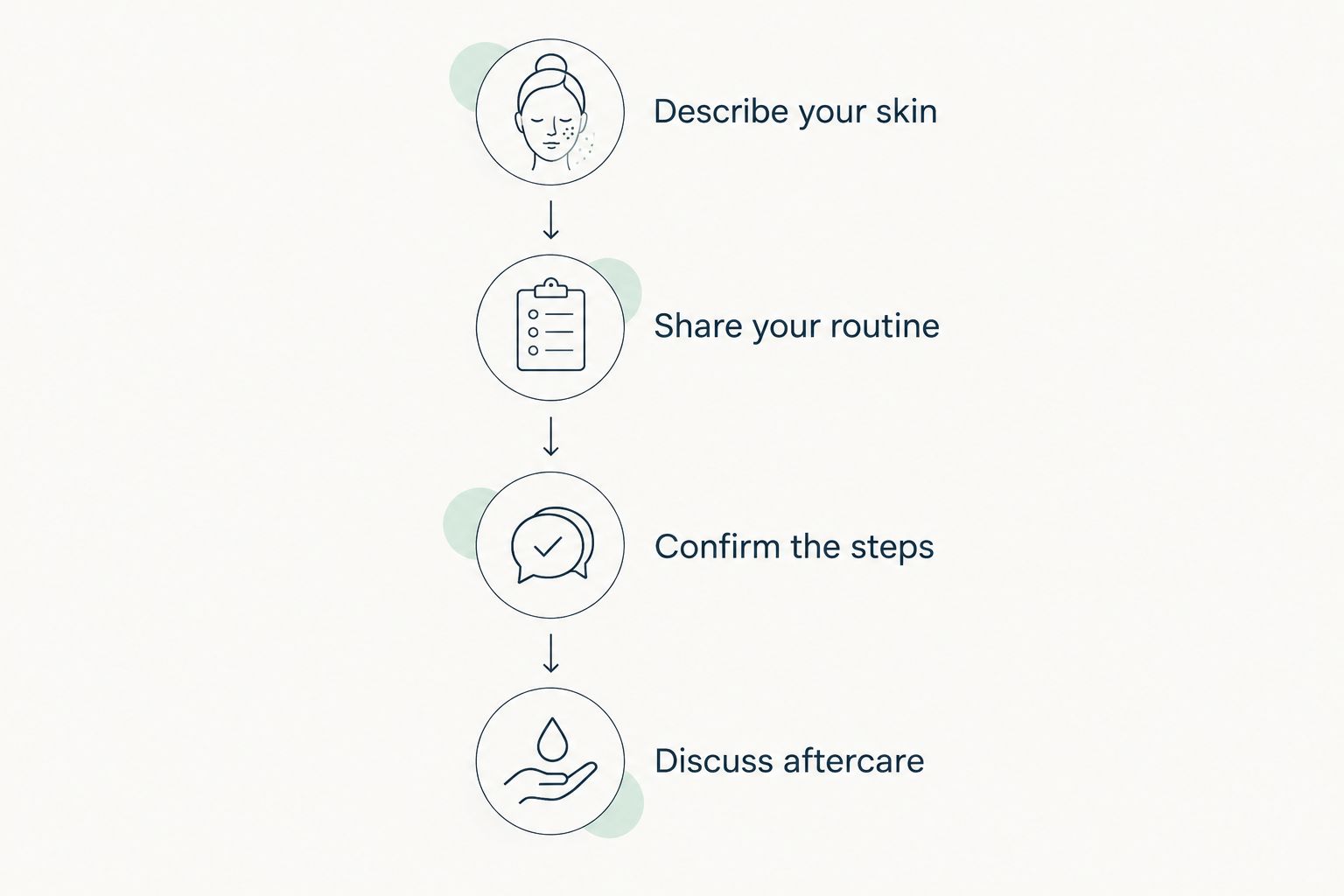
Follow this sequence when discussing a facial with 1honeyskincare or another local provider:
- Describe your skin. Explain where it feels dry and whether you have itching, burning, flaking, or redness.
- Share your routine. Name your cleanser, moisturizer, prescription products, exfoliants, and recent treatments.
- Confirm the steps. Ask about exfoliation, steam, extractions, fragrance, and how the plan changes for sensitive areas.
- Discuss aftercare. Clarify which home products to use or pause and what symptoms require follow-up.
A consultation should make the plan clearer before treatment begins. If an answer is unclear, ask again; you do not have to agree to an unfamiliar step simply because it is included.
For your 2026 booking, confirm appointment details and preparation instructions directly with the provider. If you also want waxing, ask how to coordinate services on the same area rather than assuming every treatment belongs in one visit.
Plan your first facial
Discuss your dry-skin concerns and confirm the facial approach before booking.
Keep home care simple after your facial
A facial does not replace daily care. Gentle cleansing, moisturizer, and sun protection remain important after the appointment, and introducing several unfamiliar products at once makes reactions harder to trace.
The American Academy of Dermatology's public dry-skin guidance recommends keeping baths and showers to 5–10 minutes, using warm rather than hot water, and applying moisturizer while skin is still damp. These are general home-care recommendations, not a personalized treatment plan.
For outdoor protection, the academy recommends a broad-spectrum, water-resistant sunscreen with SPF 30 or higher, reapplied every 2 hours outdoors and after swimming or sweating. Follow the product directions and your provider's treatment-specific instructions.
Avoid assuming that tingling means a product is working. If a product burns or your skin becomes increasingly uncomfortable, stop using it and seek advice rather than adding more products to counter the reaction.
Which facial should you choose?
Choose a gentle hydrating facial as your default when dryness is your main concern and your skin is calm. Choose a more specialized approach only when you can name the additional need: ingredient sensitivity, rough texture, or different needs across facial areas.
For a first facial in 2026, clarity beats complexity. Tell 1honeyskincare what bothers you, ask what the appointment includes, and agree on realistic expectations. No treatment name guarantees comfortable skin or a particular result.
FAQ
What's the best facial for dry skin in Baltimore?
A gentle hydrating facial is the default choice for dry skin without active irritation. Confirm that the plan includes mild cleansing, suitable hydration, and moisturizer rather than assuming every hydrating facial uses the same steps.
Is a hydrating facial better than an exfoliating facial for dry skin?
A hydrating facial is the better starting point when dryness is your main concern. Exfoliation addresses texture, but excessive exfoliation can worsen dry or irritated skin.
Can I get a facial if my skin is peeling?
Ask the provider to assess the situation before proceeding, and seek medical advice for unexplained or persistent peeling. Peeling alongside burning, cracking, or inflammation is not a reason to request stronger exfoliation.
What should I tell the spa before my first facial?
Share your symptoms, current skincare products, prescription treatments, recent procedures, and previous reactions. Explain where your face feels dry and ask which treatment steps will be adjusted.
Does 1honeyskincare offer facials near Owings Mills?
1honeyskincare offers facial services in the Baltimore/Owings Mills area. Confirm the appropriate facial approach and appointment details directly before booking.
Should I stop my retinoid before a facial?
Ask your prescribing clinician and facial provider before changing a prescribed retinoid routine. Disclose both prescription and nonprescription retinoids so the provider can assess the proposed treatment steps.
Will one hydrating facial fix my dry skin?
A hydrating facial does not guarantee that dry skin will resolve. Persistent dryness, itching, cracking, or inflammation needs assessment rather than repeated cosmetic treatment alone.
One last thing
Bring your product names, not just your skin-type label. A photo of your cleanser, moisturizer, and treatment labels gives the provider something specific to discuss. You do not need to know why every ingredient is there; you need a treatment plan that accounts for what already touches your skin.