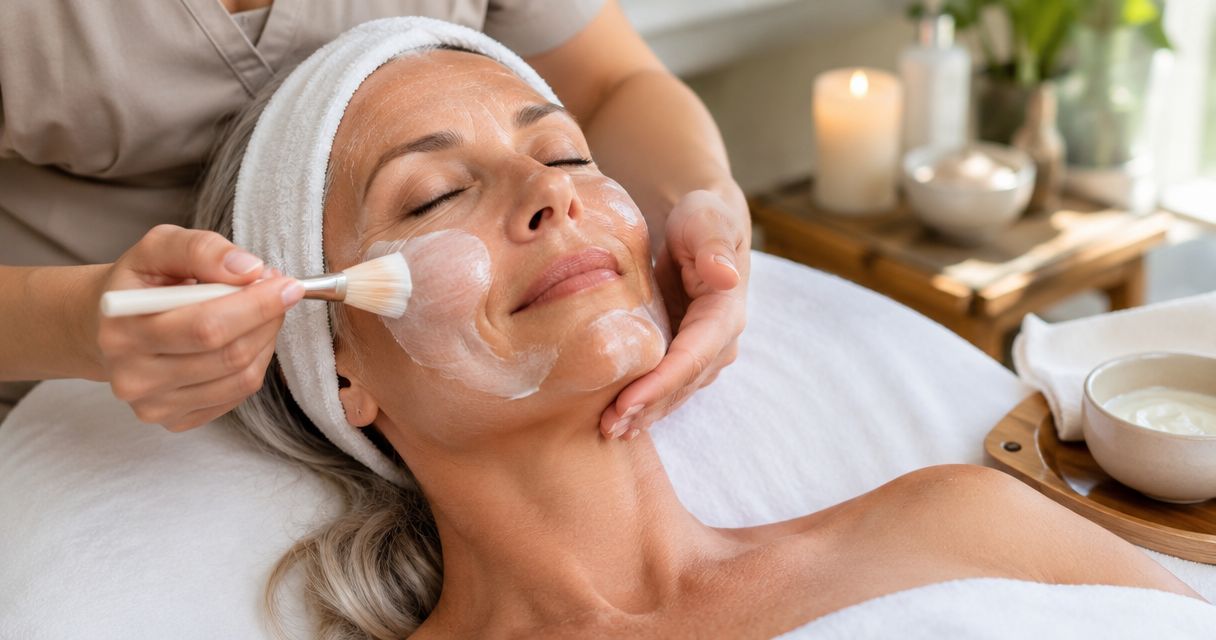
Best overall for dryness: a hydrating facial. Best for dull, rough-feeling skin: a facial with gentle exfoliation. Best for easily irritated skin: a gentle, moisture-focused facial without exfoliation. The best facials for mature and aging skin address what bothers your skin now—not an age label or a promise to reverse time.
- The best facials for mature and aging skin match dryness, dullness, or sensitivity—not age alone.
- Choose a hydrating facial for dry, tight-feeling skin; do not expect it to lift sagging skin.
- Choose gentle exfoliation for rough texture only when your skin tolerates it.
- HONEY SKINCARE offers facials in Owings Mills, with an owner who has 28 years of experience as an aesthetician.
Why this matters
Mature skin is not one skin type. You can have dryness, oiliness, sensitivity, breakouts, or several concerns at once, so an age-based treatment name does not tell you whether an appointment fits.
For your first facial in 2026, start with your main concern and your current routine. If you are considering HONEY SKINCARE in Owings Mills, ask which facial suits your skin before selecting a treatment by name. The spa offers facials, waxing, massage therapy, and skincare products; the recommendations below describe treatment approaches, not confirmed menu items.
HONEY SKINCARE is best for first-time facial clients in Owings Mills who value an owner's caring touch and thorough attention to detail. The owner has 28 years of experience as an aesthetician, and clients particularly appreciate her hands and thoroughness.
What makes the best facial for mature skin?
Use these criteria to assess a facial in 2026. A treatment should fit your skin and your expectations, not simply contain more steps.
- Your main concern: Decide whether dryness, rough texture, or irritation is the priority. That choice should guide the appointment.
- Current skin comfort: Burning, peeling, tenderness, or a rash changes the conversation. Do not book exfoliation to push through irritation.
- Treatment intensity: Ask what exfoliation or other active steps are included. More intensity is not automatically a better match.
- Your routine and health history: Share prescription treatments, recent procedures, allergies, and products that have caused reactions.
- Realistic results: A facial can support skin comfort and improve the appearance of dryness. It does not replace medical treatment or lift loose skin.
- Clear aftercare: You should understand what to use afterward, what to pause, and when to seek help for a reaction.
Best facials at a glance
These rankings compare approaches by the concern they address. They do not establish that every local spa offers each option under these names.
| Rank and approach | Best for | Standout feature | Key limitation |
|---|---|---|---|
| 1. Hydrating facial | Dry, tight-feeling skin | Moisturizing care aimed at comfort and surface dryness | Does not correct sagging or deep wrinkles |
| 2. Gentle-exfoliation facial | Dullness and rough surface texture | Removal of dead surface skin cells | Can irritate skin that is already reactive or over-exfoliated |
| 3. Gentle facial without exfoliation | Easily irritated skin | A lower-intensity approach that avoids an exfoliating step | Does not directly target roughness through exfoliation |
The practical dividing line is skin comfort. If your skin currently stings or feels raw, do not move to a stronger treatment because a milder appointment sounds less impressive.
1. Hydrating facial: best for mature skin that feels dry
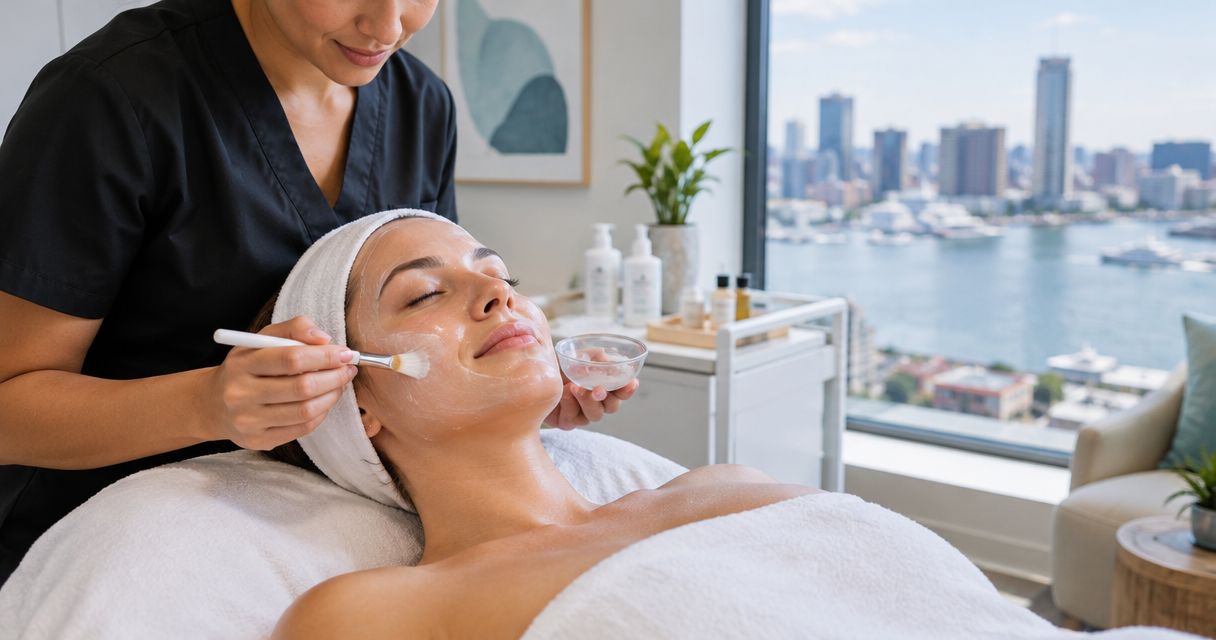
A hydrating facial emphasizes moisturizing care rather than making exfoliation the main event. It is the strongest starting point when your main complaint is tightness, flaking, or a dry appearance.
Moisturizing can make fine lines associated with dryness look less noticeable. That is different from removing wrinkles, rebuilding facial volume, or tightening loose skin, and your expectations should reflect the difference.
Hydrating facial pros:
- Directly matches a dryness-focused concern.
- Keeps the conversation centered on comfort rather than treatment strength.
- Can support a simpler discussion about moisturizing care at home.
- Does not require choosing an aggressive treatment to address an aging concern.
Hydrating facial cons:
- Moisturizing ingredients can still cause a reaction.
- Improvement in the appearance of dryness is not permanent wrinkle correction.
- Persistent flaking or discomfort needs assessment rather than repeated cosmetic treatment.
Best for: You notice dryness more than breakouts or rough texture, and you want a realistic first facial rather than a dramatic-results promise.
Before booking, explain whether your skin feels dry all day or only after washing. Mention any cleanser, serum, or prescription treatment that leaves it tight. These details are more useful than simply saying you need an anti-aging facial.
Ask what the hydrating appointment includes. A hydrating name alone does not establish whether exfoliation, fragrance, or other steps are part of the treatment.
Verdict: Buy a hydrating facial for dryness after confirming that its steps suit your skin. Skip it as a solution for sagging or deep wrinkles.
2. Gentle-exfoliation facial: best for dull, rough-feeling skin
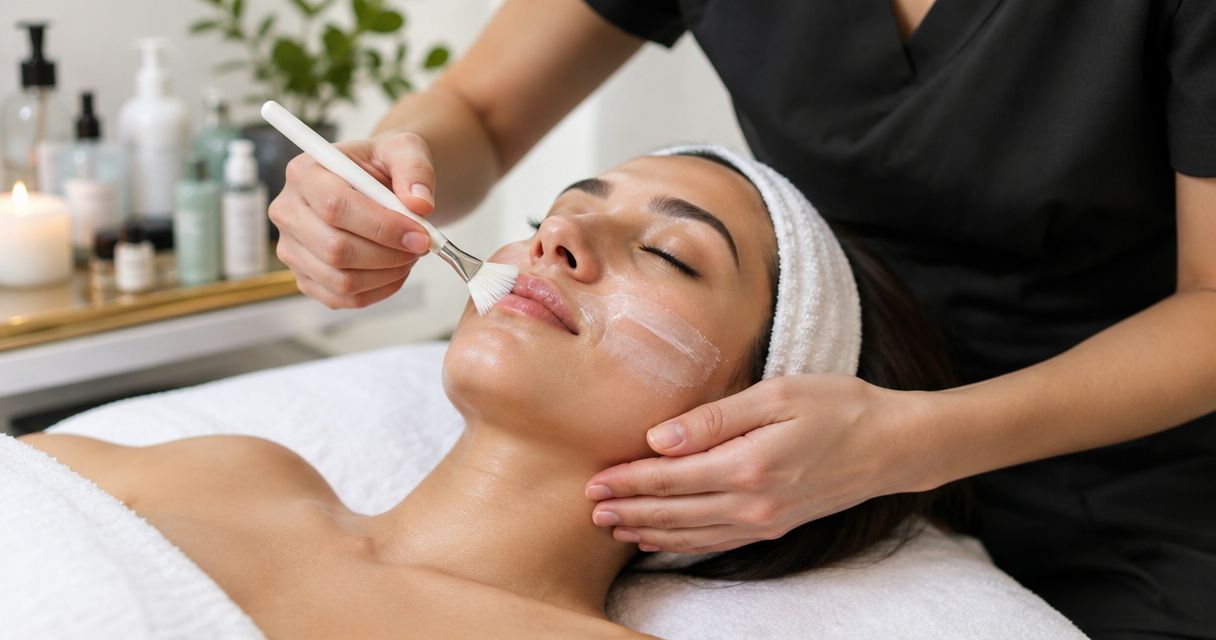
A facial with gentle exfoliation removes dead cells from the skin's surface. This approach fits a texture concern better than choosing hydration alone when your skin feels comfortable but looks dull or feels uneven.
Exfoliation is not automatically appropriate because your skin is mature. Your current products, skin sensitivity, and recent treatments determine whether it belongs in the appointment at all.
Gentle-exfoliation facial pros:
- Targets rough surface texture directly.
- Can improve the appearance of dullness caused by dead-cell buildup.
- Provides a clear reason for choosing an exfoliating step rather than adding one by habit.
Gentle-exfoliation facial cons:
- Can cause irritation, especially when combined with exfoliating products at home.
- Is a poor choice for skin that already burns, peels, or feels tender.
- Does not remove deep wrinkles or address every cause of uneven skin tone.
Best for: Your main concern is dullness or roughness, and your skin is not currently irritated.
Bring a list of your skincare products, including retinoids and exfoliating acids. Do not decide on your own to stop a prescription; ask the prescribing clinician about changes and tell your aesthetician what you use.
For a first appointment in 2026, ask whether the facial can proceed without exfoliation if your skin is uncomfortable that day. A treatment plan should respond to the skin in front of the aesthetician, not depend on completing every advertised step.
Verdict: Buy only when rough texture is the priority and the exfoliating step is appropriate. Skip exfoliation on irritated skin.
3. Gentle facial without exfoliation: best for reactive skin
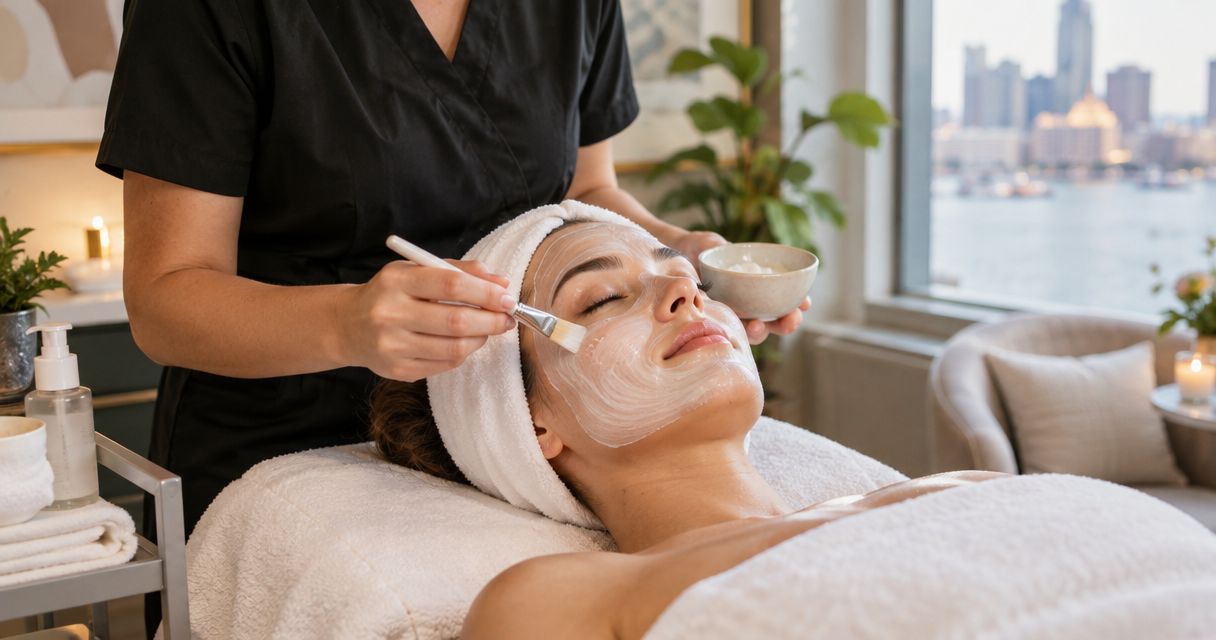
A gentle, moisture-focused facial leaves exfoliation out of the plan. It is the better starting conversation when products often sting, your skin reacts easily, or you are concerned about tolerating a first appointment.
Gentle does not mean reaction-free. The full ingredient list and the steps used still matter, and a cosmetic facial is not treatment for a rash or an undiagnosed skin condition.
Gentle facial pros:
- Avoids adding an exfoliating step to already reactive skin.
- Prioritizes comfort over a more intensive treatment.
- Creates space to discuss previous reactions before choosing products.
Gentle facial cons:
- Does not target roughness through exfoliation.
- Cannot guarantee that every product will be tolerated.
- Is not a substitute for medical assessment of persistent redness or irritation.
Best for: You want a facial but have a history of stinging, sensitivity, or discomfort with active skincare products.
Describe what happened during previous reactions instead of using only the word sensitive. Burning after an acid serum, itching after a fragranced product, and a diagnosed allergy are different pieces of information.
Ask whether the appointment can be adjusted to avoid known triggers. If your skin is actively inflamed, broken, or painful, discuss whether to postpone and seek medical advice instead.
Verdict: Buy only after discussing your reaction history. Wait if your skin is actively irritated or needs medical assessment.
How these facial approaches are ranked
This 2026 ranking prioritizes the match between your main concern and treatment intensity. Hydration leads for dryness, gentle exfoliation addresses rough surface texture, and a non-exfoliating approach takes priority when sensitivity is the concern.
The order is not a claim that one facial produces better results for everyone. If sensitivity is your main problem, the third option becomes your first choice—and an active skin problem can make postponing the right decision.
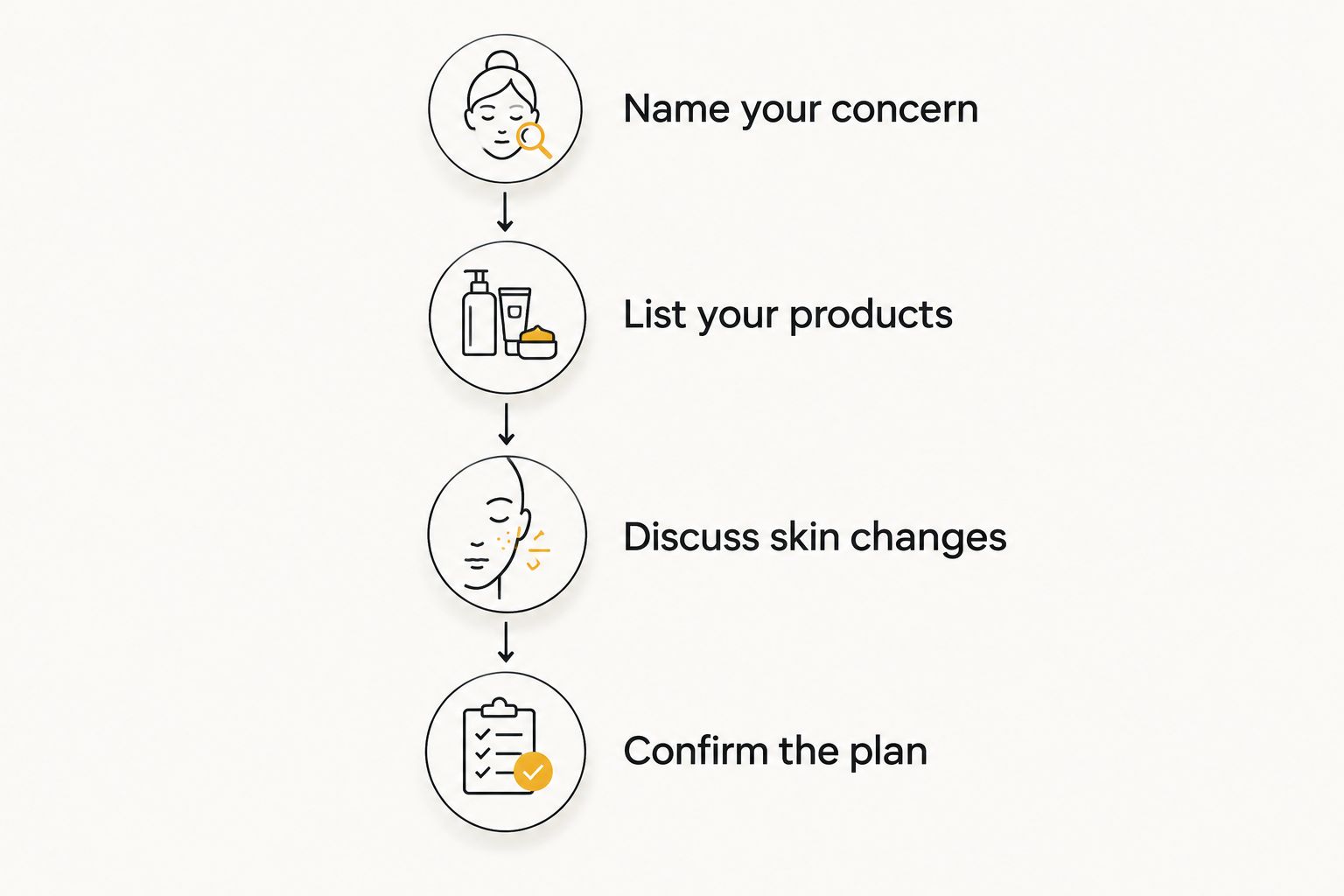
Before booking: use these four steps
You do not need to diagnose your skin before calling. You do need to describe what you notice and explain what you hope the appointment will help with.
- Name your concern. Choose the issue that bothers you most: dryness, roughness, or sensitivity. Mention other concerns without expecting one facial to solve everything.
- List your products. Include prescription skincare, retinoids, exfoliating acids, and anything that has caused a reaction. Product names are more helpful than saying you use an anti-aging routine.
- Discuss skin changes. Mention recent procedures, sunburn, irritation, or a new rash. Ask whether the appointment should change or wait.
- Confirm the plan. Ask which steps are proposed, what aftercare involves, and what the facial will not address.
For a first facial at HONEY SKINCARE, share your main concern before choosing an appointment. You can also explain that you are new to facials and want to understand the steps before proceeding.
Plan your first facial
Review the site, then ask which facial fits your skin concerns and current routine.
Which facial should you choose?
Choose a hydrating facial as your default when dryness is the main concern and your skin is comfortable. Choose gentle exfoliation for rough texture only after discussing your routine, and choose a non-exfoliating approach when sensitivity takes priority.
If you cannot tell whether your skin is dry or irritated, describe the symptoms rather than guessing. Tightness alone does not establish a diagnosis, and burning or persistent redness deserves more than a moisturizing recommendation.
For your 2026 appointment, write down three questions: What does this facial target? Which steps suit my current routine? What should I do afterward? Those answers give you a firmer basis for booking than an anti-aging label.
FAQ
What's the best facial for mature and aging skin?
A hydrating facial is a practical first choice when dryness is your main concern. Gentle exfoliation suits rough texture only when your skin tolerates it; reactive skin calls for a gentler discussion.
Can a facial get rid of wrinkles?
A facial does not remove deep wrinkles or lift sagging skin. Moisturizing can make fine lines associated with dryness look less noticeable, but that is not permanent wrinkle correction.
Is a hydrating facial better than an exfoliating facial?
A hydrating facial is the better match for dryness, while gentle exfoliation addresses rough surface texture. Your skin's current comfort and your home routine determine which approach fits.
Should I book a facial if my skin is burning or peeling?
Wait and discuss burning or peeling before receiving a facial. Persistent, painful, or unexplained irritation needs medical advice rather than stronger exfoliation.
Can I get a facial if I use a retinoid?
Tell your aesthetician which retinoid you use before booking. Ask the prescribing clinician about any changes to prescription use, and confirm whether the proposed facial includes exfoliation.
What should I ask before my first facial in 2026?
Ask what the facial targets, which steps it includes, and what aftercare it requires. Share your current products, allergies, recent procedures, and previous reactions before treatment.
Where can I ask about a facial in Owings Mills?
HONEY SKINCARE offers facials in Owings Mills. Explain your main concern and ask which available appointment fits; do not assume that every treatment approach in this guide is a named service on the menu.
One last thing
A good first facial does not need to include every possible step. Leaving out exfoliation can be the right decision when your skin is uncomfortable, even if roughness or visible aging brought you to the appointment.
Keep that standard for 2026: choose care that fits your skin today. A clear explanation of what to leave out is just as useful as a list of what to include.